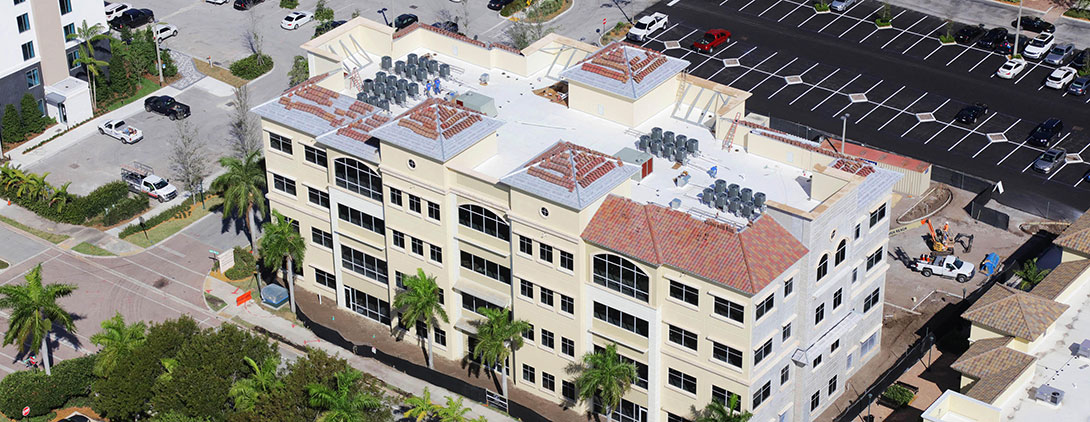
A building with retail on the ground floor and apartments above can be a strong income property, and many banks still pass on it. The loan does not sit in one category, so it often falls between residential and commercial guidelines. Investors frequently take a mixed-use property loan in Florida to a private lender after a bank declines.
This post explains why banks decline these deals and how a private lender looks at them.
Why Banks Often Say No to Mixed-Use Properties
One building, two underwriting models
Banks usually underwrite residential units under one set of rules and commercial space under another. A mixed-use building asks them to apply both to a single loan, and credit policy rarely offers a clean path for that.
Vacancy and lease-up
Commercial tenants turn over on different schedules than apartment renters. A vacant storefront or a unit in the middle of renovation can push a property below the occupancy a bank requires, even when the business plan is sound.
Appraisals and comparable sales
Appraisers find fewer true comparables for mixed-use buildings, and value can swing with the strength of the commercial tenant. That uncertainty can slow the review or reduce the proposed loan amount.
Timeline
A property outside a bank’s standard categories usually needs additional review. A seller with a second offer may not wait for it.
How a Private Lender Evaluates Mixed-Use Financing
Mixed-use financing from a private lender starts with the whole asset. We look at the building’s value, the income from both uses, the location and the plan for the property. Because underwriting happens in-house, our team can evaluate a deal that does not match a standard template.
Community Capital has funded 280 loans totaling more than $530M in nine years, and our largest single loan was $12M. [CONFIRM: number or examples of mixed-use loans funded]
A private lender mixed-use Florida deal also depends on the borrower’s plan. We review the renovation scope, the lease-up timeline and how the loan gets repaid.
Mixed-Use Deals We See Most Often
Buyers acquire a building with a vacant storefront and plan to lease it after closing. A bank may want the space leased first, while a private lender can look at the lease-up plan and the equity behind it.
Owners with a maturing loan need a payoff before the refinance is ready. A short-term loan can cover the balance while the property reaches the income level a long-term lender expects.
Developers convert or renovate part of a building, such as turning ground-floor space to a new commercial use or updating the apartments above. The loan is sized around the finished value and the budget, and the draw schedule follows the work.
What to Bring to the Lender
A complete package shortens the review. After we receive a complete loan package, a term sheet typically follows within 24 to 48 hours. A strong mixed-use package usually includes:
- A rent roll that separates residential and commercial units, with lease terms where leases exist
- The purchase contract, or current loan payoff details if you are refinancing
- Photos and a scope of work, if the building needs improvements
- Your plan for vacant space, including target tenants and expected rents
- How you will repay the loan: a refinance once the building stabilizes, or a sale
- Entity documents and proof of the cash going into the deal
General Lending Guidelines
Our loans generally start around $400,000 and run 12 to 24 months. We typically lend up to 60% of the property’s value and 60% of total project cost. We may exceed these benchmarks on a case-by-case basis depending on deal strength, and every loan is subject to underwriting. [CONFIRM: any limits on the commercial-to-residential mix]
Plan the Exit Before You Close
Most mixed-use borrowers use the loan term to fill vacant space or finish renovations, then refinance into long-term financing once the building shows steady income. Check the long-term lender’s requirements early. Our guide to commercial real estate loan terms explains how those loans are structured.
A building that needs substantial work may fit our construction loans. You can read more about mixed-use property loans on our service page.
Brokers who bring a mixed-use deal to us keep the client relationship. See how we work with mortgage brokers.
Frequently Asked Questions
Can I get a loan on a mixed-use property in Florida?
Yes. Private lenders finance mixed-use properties, and approval depends on the asset, the equity and the exit plan, subject to underwriting.
Why do banks decline mixed-use loans?
Often the property combines residential and commercial uses that sit in different credit categories. Vacancy or renovation can also place it outside standard guidelines.
Can a private lender finance a partially vacant mixed-use building?
Private lenders can finance transitional properties when the plan and the exit are clear, subject to underwriting. The details depend on the deal. [CONFIRM: ComCap’s position on vacant or partially leased buildings]
How long do private mixed-use loans last?
As a general guideline, our loan terms run 12 to 24 months. The right length depends on your renovation and lease-up schedule.
Send Us the Deal
If you have a mixed-use property under contract, or a bank has just declined one, send us the details. We will review the asset, the equity and the exit, and tell you where the deal stands. Contact Community Capital to get started.