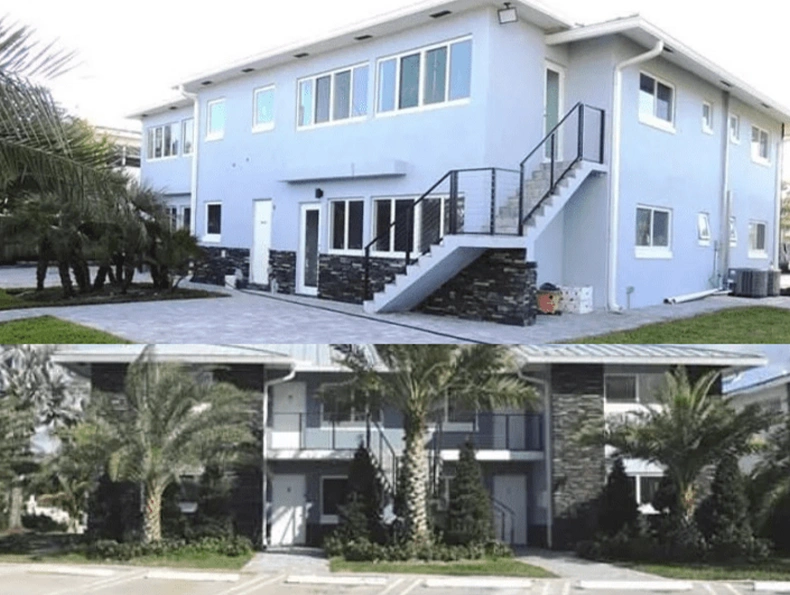
Commercial construction projects require a different financing approach than traditional real estate loans. Unlike a standard mortgage, where the full loan amount is typically funded at closing, construction financing is designed to provide capital throughout the life of a project. This staged funding process, known as construction draws, helps ensure that funds are available when they are needed while keeping the project aligned with its approved budget and timeline.
For developers, investors, and property owners, understanding how construction loan draws work can make it easier when building timelines for expectations, maintaining cash flow, and to keep projects moving efficiently from groundbreaking to completion.
What Is a Construction Loan Draw?
A construction loan draw is a scheduled disbursement of funds that occurs as work is completed on a project. Rather than receiving the entire loan amount upfront, borrowers access portions of the approved financing throughout various stages of development.
This structure benefits both the borrower and the lender. Developers gain access to capital as construction projection progress, while lenders can verify that funds are being used according to the approved scope of work. The result is a financing process that remains closely tied to the actual progress of the project.
For commercial developments, draw schedules are typically established before construction begins and are based on major project milestones, anticipated costs, and overall timelines.
How the Construction Loan Disbursement Process Works
Although every project is unique, most commercial construction loans follow a similar disbursement process. Once financing has been approved, the lender works with the borrower to establish a detailed approved construction budget and draw schedule. This schedule outlines when funds will be released and how much funding will be allocated to each phase of construction.
As work is completed, the borrower submits a draw request to the lender. Supporting documentation may include contractor invoices, progress reports, receipts, or other records demonstrating that a particular phase of construction has been completed. In many cases, lenders also conduct inspections to verify progress before authorizing the release of funds.
Once the requested work has been reviewed and approved, the lender disburses the next portion of the loan. These funds are then used to pay contractors, suppliers, subcontractors, and other project-related expenses. The process continues for the duration of the building until the project is complete. This is also a great way to ensure timelines are met and the focus of the project is in line.
Rather than functioning as a one-time transaction, construction financing becomes an ongoing partnership between borrower and lender throughout the process and as steps are completed
What Private Lenders Look for When Approving Construction Financing
Before approving a commercial construction loan, lenders need confidence that the project is financially viable and realistically achievable. This begins with a thorough review of the development plans and overall project scope.
Detailed construction plans allow lenders to understand exactly what is being built, how long the project is expected to take, and how funds will be utilized. A well-prepared budget is equally important, as it demonstrates that anticipated expenses have been carefully considered and that sufficient capital has been allocated throughout the project lifecycle.
Beyond the project itself, lenders also evaluate the experience of the development team. While every lender has different criteria, experience managing construction projects can provide additional confidence that timelines, budgets, and project objectives will be met.
Another important consideration is the borrower’s exit strategy. Whether the goal is to sell the completed property, refinance into permanent financing, or retain ownership as a long-term asset, lenders want to understand how the loan will ultimately be repaid.
Why Construction Draws Matter for Project Success
Construction draws are more than just a funding mechanism. They help create structure and accountability throughout the development process. Because funding is tied to completed work, borrowers are encouraged to maintain project momentum while lenders gain visibility into construction progress.
This approach can also provide meaningful cash flow advantages. Rather than paying interest on the entire loan balance from day one, borrowers often pay interest only on funds that have actually been disbursed. For larger commercial projects, this can result in significant savings during the construction phase.
Perhaps most importantly, draw-based financing helps reduce the risk of budget overruns and funding gaps. By releasing capital in stages, lenders and borrowers can identify potential challenges earlier and make adjustments before issues impact the overall project timeline.
Understanding Construction Financing Before Breaking Ground
Commercial construction projects involve countless moving parts, from permitting and site work to contractor coordination and budget management. Financing plays a critical role in keeping each phase moving forward as planned.
Understanding how construction loan draws work allows developers and investors to better prepare for the realities of project funding. With a clear draw schedule, realistic budget, and experienced lending partner, borrowers can focus on executing their projects while maintaining confidence that financing will be available when needed.
Designed to support projects over time, not through a single lump-sum disbursement.
The draw process provides a structured way to fund development while keeping financing aligned with actual construction progress.
For developers and investors, understanding the requirements and mechanics of construction loan draws can help improve project planning, strengthen lender relationships, and support a smoother path from concept to completion.
Whether you’re planning a ground-up development or a major commercial renovation, Community Capital Holdings can help you navigate the construction financing process with confidence. Contact our team to learn more about construction loan solutions tailored to your project’s needs.