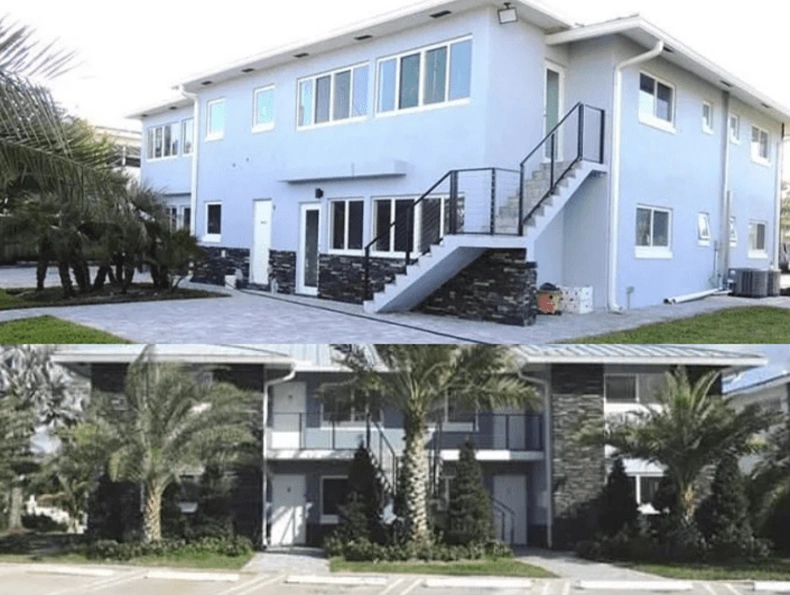
For growing business owners and seasoned investors alike, Commercial Real Estate (CRE) loans are essential financial tools used to acquire, build, or refinance income-producing properties. They enable companies to expand, consolidate operations, or strengthen an investment portfolio. By providing capital for major fixed assets, a CRE loan turns long-term real estate strategies into actionable opportunities.
What Is a Commercial Real Estate Loan?
A Commercial Real Estate Loan is a mortgage designed specifically to finance non-residential property. These properties generate revenue through commercial activity or rental income and include:
- Office buildings
- Retail centers
- Industrial facilities
- Multifamily properties (such as apartment complexes)
Unlike residential mortgages, which focus on individuals purchasing homes, commercial loans are structured for business needs. They typically feature:
- Shorter terms (5–20 years instead of 30 years)
- Higher down payments (20–30% or more)
- Business-focused underwriting, including cash flow, revenue strength, and property income potential
Learn more about “How to Get a Commercial Real Estate Loan” .
Commercial Real Estate Loans vs. Residential Mortgages
While both loan types are secured by property, their underwriting and structure differ significantly due to the borrower’s intent and the asset’s risk profile.
| Feature | Commercial Real Estate Loans | Residential Mortgages |
|---|---|---|
| Loan Focus | Property income strength (DSCR) | Borrower’s personal income & credit (DTI) |
| Loan Terms | Shorter (5–20 years) | Longer (15–30 years) |
| Down Payment | Higher (20–30%+) | Lower (3–20%) |
| Regulation | Less regulated, more flexibility | Highly regulated (e.g., Dodd-Frank) |
How Commercial Real Estate Loans Work
CRE loans are structured to balance the unique risks of business operations and property performance.
1. Loan Term vs. Amortization
A defining feature of commercial loans is the difference between:
- Loan Term — The timeframe during which payments are made (usually 5–20 years).
- Amortization Period — The length of time required to fully repay the loan (often 25–30 years).
Because the amortization period is longer than the loan term, most CRE loans result in a Balloon Payment, a large lump-sum due at maturity. Borrowers usually refinance rather than pay the entire amount upfront.
2. Interest Rates
Borrowers may choose between:
- Fixed rates: Stable, predictable monthly payments.
- Variable rates: Rates adjust periodically based on benchmarks like SOFR or Prime Rate, offering lower initial payments but potential volatility.
3. Amortization
Many commercial loans are partially amortized, meaning borrowers make monthly payments for several years before refinancing or paying off the remaining balance in a lump sum.
Types of Commercial Real Estate Loans
Choosing the right loan depends on the property’s condition, borrower profile, and long-term goals.
1. Traditional Bank Loans (Permanent Financing)
Banks and credit unions offer long-term loans for stabilized properties with strong rental histories.
- Terms: Moderate interest rates, longer amortizations
- Best For: Low-risk, income-producing assets
(Internal link idea: Link to a “Commercial Loan Requirements” blog if available.)
2. SBA Loans
Government-backed financing through the Small Business Administration supports businesses acquiring commercial property.
- SBA 504 Loan: Ideal for fixed assets, offering 10% down and terms up to 25 years.
- SBA 7(a) Loan: More flexible, allowing funding for real estate plus other business needs.
Best For: Owner-occupied businesses needing favorable terms or lower upfront capital
3. Bridge Loans / Hard Money Loans
These are short-term, high-speed financing options provided by private lenders such as ComCap Holdings.
- Terms: Short duration (6 months to 3 years), higher interest rates
- Best For:
- Value-add properties
- Quick acquisitions
- Construction completion
- Deals not yet eligible for bank financing
Because lending decisions are asset-based, private lenders can move faster and structure deals more flexibly than banks.
Learn more about Hard Money Loans.
Why Commercial Real Estate Loans Matter
For businesses, these loans make it possible to own and control their operating space, building equity instead of paying rent.
For investors, CRE loans unlock access to cash-flowing properties, long-term appreciation, and portfolio diversification.
Although CRE loans are more complex than residential mortgages, they remain a cornerstone of business expansion and real estate investment. With the right lending partner, they become a powerful engine for growth and wealth creation.
Final Takeaway
By understanding how commercial real estate loans work—and identifying the right loan type—you can approach lenders confidently and secure the capital needed for your next move.
At ComCap Holdings, we help business owners and investors secure the right financing, whether through traditional bank products, SBA programs, or fast, flexible private lending options.
Ready to explore financing for your next property?
Connect with us today to get started.