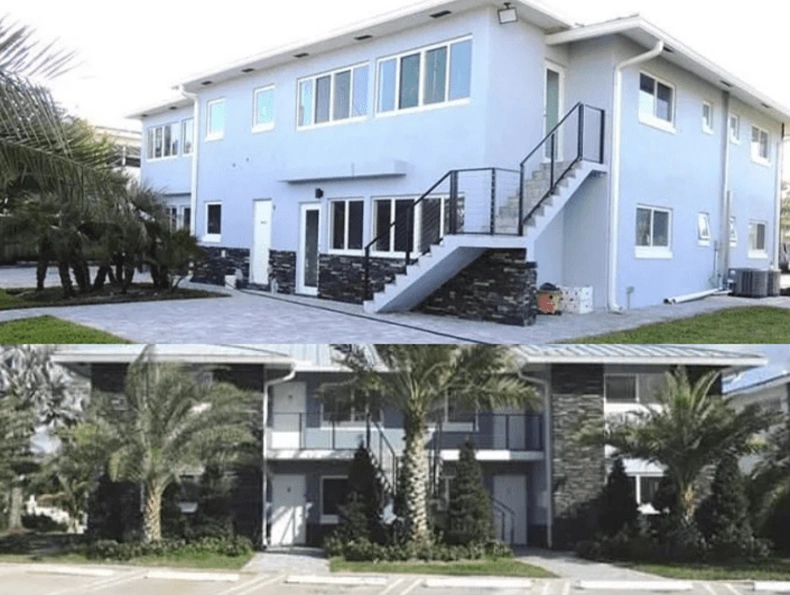
Securing a commercial real estate (CRE) loan is one of the most important steps a business owner or investor can take. Whether you’re buying your first property, refinancing an existing loan, or renovating a space to unlock new potential, access to the right financing can make the difference between steady growth and missed opportunities.
At first glance, the process can seem complex, with different loan types, lender requirements, and financial terms to review. But with the right preparation and guidance, it becomes manageable — even strategic. Below, we outline the key steps and requirements every borrower should understand.
Understanding the Lender’s Perspective: Property Purpose
A major factor in commercial lending is the intended use of the property, as this determines the loan’s risk profile and terms. Lenders typically classify properties in two categories:
- Owner-Occupied Property
The business applying for the loan will occupy at least 51% of the building’s net rentable space. Lenders often view this type of property as an extension of the operating business, usually resulting in more favorable terms. - Investment Property
The property is purchased strictly to generate rental income or future profit. Lenders assess risk based on the property’s Net Operating Income (NOI) and the strength of its tenants.
Because the success of an owner-occupied business is tied directly to the property, lenders generally offer better rates and terms compared to pure investment properties.
Step 1: Define the Purpose of Your Loan
Before applying, be clear about why you need financing. Loan purpose directly affects risk, repayment structure, and eligibility.
- Purchasing a property: Office, retail, industrial, or multifamily spaces.
- Refinancing: Securing better terms, lowering rates, or accessing equity.
- Renovating or expanding: Modernizing a building or adding new features to increase value.
Step 2: Check Eligibility Requirements
Commercial real estate lending is more rigorous than residential mortgages. Most lenders evaluate the following:
- Credit Score: Lenders typically look for FICO scores of 680+ for principals and guarantors, signaling responsible debt management.
- Business Financials: Strong cash flow and revenue stability are essential. Lenders review profit and loss statements, balance sheets, and tax returns (often for the past three years) to ensure the business can comfortably service the debt.
- Down Payment: Commercial properties require larger down payments — usually 20% to 30%. Higher borrower contribution lowers lender risk.
- Collateral: The property itself serves as collateral. Lenders assess the Loan-to-Value (LTV) ratio to confirm the property value is adequate for the requested loan.
Meeting or exceeding these requirements significantly strengthens your application and speeds up approval.
Step 3: Understand Your Commercial Real Estate Loan Options
Different lenders specialize in different types of CRE financing. Here are the most common options:
1. Traditional Bank Loans (Conventional Financing)
- Description: Offered by large national and local banks. These loans often provide the lowest interest rates and longest terms (up to 25 years).
- Best For: Low-risk, stabilized properties with long-term owners.
- Consideration: Underwriting is stringent and closure timelines can range from 45 to 90 days.
2. SBA 504 and 7(a) Loans
Government-backed loans offered through the Small Business Administration (SBA).
- SBA 504 Loan: Designed for major fixed assets, including real estate. Offers low down payments (as low as 10%).
- SBA 7(a) Loan: More flexible and can be used for working capital, equipment, or real estate.
Best For: Owner-occupied businesses that cannot meet conventional down payment requirements or want more flexible terms.
3. Bridge Loans and Private Lending
- Description: Short-term, asset-based financing provided by private lenders such as ComCap Holdings. These loans feature fast approvals, flexible terms, and durations from 6 months to 3 years.
- Best For: Investors and developers needing speed or flexibility — especially for time-sensitive deals, construction, or properties not yet eligible for bank financing.
ComCap Advantage:
Private lenders like ComCap Holdings help borrowers move quickly without the delays of traditional banking. Fast funding empowers investors to seize opportunities, strengthen negotiating power, and stay competitive.
Learn more about Hard Money Loans.
Why This Process Matters
Securing the right commercial real estate loan doesn’t just provide capital — it creates leverage. It allows you to:
- Expand your business footprint
- Improve property value through renovations
- Unlock cash flow with better loan terms
- Grow your investment portfolio
With expert guidance, this once-daunting process becomes a structured pathway to long-term growth.
Final Takeaway
By clarifying your loan purpose, preparing financial requirements, and choosing the right lending option, you position yourself to secure capital and maximize your return on investment.
If traditional banks are slowing you down, consider the flexibility and speed of private lending. At ComCap Holdings, we specialize in helping business owners and investors close deals faster with tailored financing solutions.
Ready to explore your options?
Connect with ComCap Holdings to secure the right commercial real estate loan for your goals.